
How to Arrange Bedroom Furniture for Maximum Comfort and Style
Arranging bedroom furniture may seem straightforward, but thoughtful planning can transform a space from average to extraordinary. Your bedroom is more than a place to sleep—it’s where functionality meets personal style. Knowing how to arrange bedroom furniture can help craft a room that feels cozy, efficient, and exceptionally inviting.
This guide explores unique strategies to optimize your bedroom layout, establish a focal point, elevate storage solutions, and achieve a harmonious flow. Whether you’re working with a compact room or a spacious retreat, the key is blending practicality with aesthetics.
Understanding Bedroom Layout Essentials
Arranging bedroom furniture starts with understanding the space you’re working with. Each bedroom’s layout dictates its potential, and your goal is to unlock that potential for maximum comfort and functionality.

Measure Before You Move
The first step in optimizing your bedroom layout is to measure your space. Knowing the precise dimensions, including doorways, windows, and architectural features such as alcoves, ensures you avoid overcrowding or misalignments. Skipping this step often results in impractical layouts.
Beyond measuring, observe the room’s natural light. If your bedroom has large windows, prioritize preserving that natural brightness when placing furniture. Light impacts mood and energy levels, making its strategic use essential in creating a relaxing atmosphere.
Define the Purpose of the Bedroom
Your bedroom’s primary use will shape how you arrange your furniture. Is it strictly a sleeping area, or do you use it for working, reading, or yoga? Defining its purpose helps prioritize the furniture you’ll need. For instance, a reading nook may require a comfortable armchair and floor lamp, while a bedroom doubling as an office might benefit from a minimalist desk setup.
Establishing the Focal Point in the Room
A well-designed bedroom needs a focal point, a visual anchor that defines the room and guides furniture positioning. The bed is typically the centerpiece, but alternative focal points can also work based on individual priorities.
The Bed as the Centerpiece
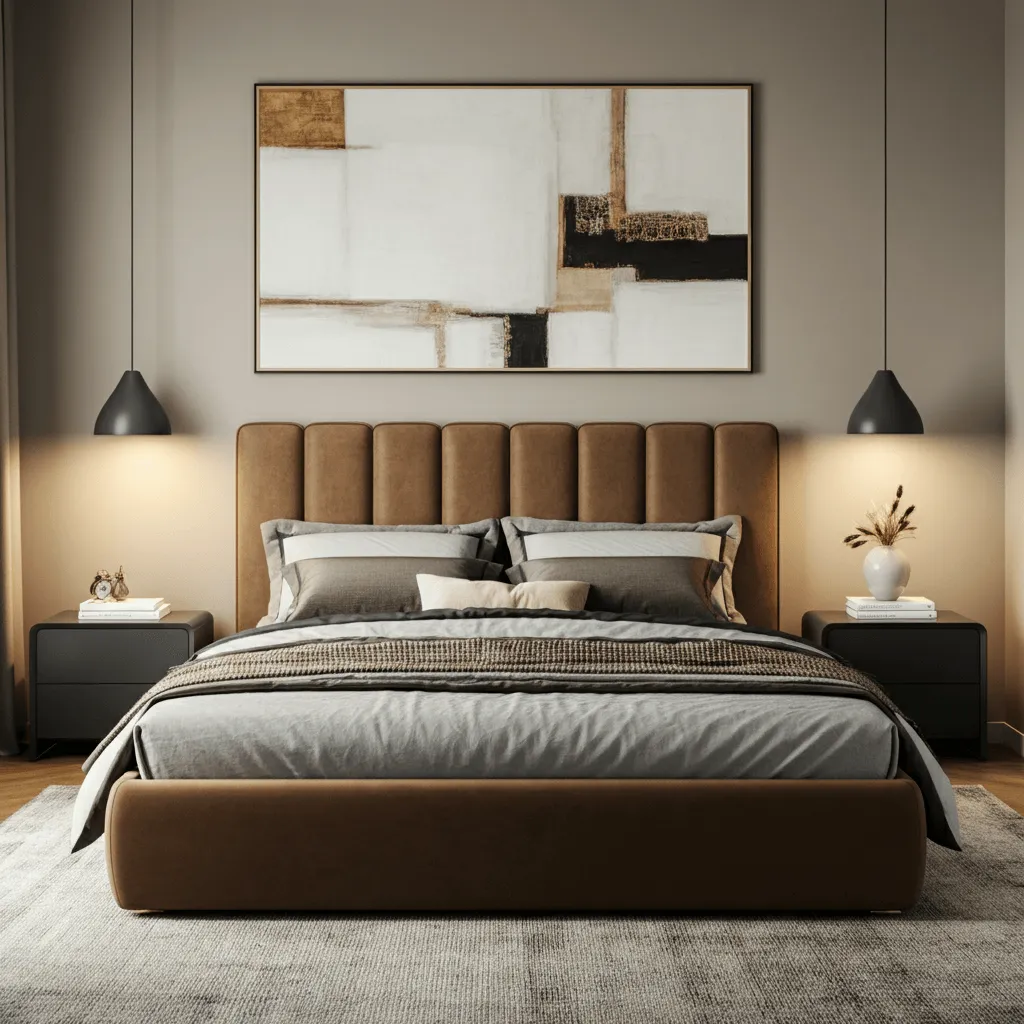
Position the bed against the primary wall or choose a location where it naturally draws the eye. Ideally, the bed should face the room’s entrance if possible, without blocking pathways or feeling cramped. Enhance its appeal with a bold headboard, luxurious bedding, or framed art above the bed.
Alternative Focal Points
If the room features unique architectural details, such as a large window, fireplace, or built-in shelving, consider emphasizing these elements instead. For example, placing your bed near a garden-facing window can highlight the view while fostering a serene ambiance.
Balance is crucial when arranging around a focal point. Ensure supporting elements such as nightstands, lighting, or area rugs complement rather than compete with it. This creates a cohesive, harmonious design.
Space Optimization: Making Every Inch Count
Efficient use of space is critical, especially in smaller bedrooms. Smart planning avoids clutter while preserving functionality.
Functional Placement for Major Furniture
When positioning furniture, think about how each piece interacts within the room. For example:
- Place nightstands within arm’s reach of the bed for convenience.
- Align dressers along non-obstructive walls to maintain a smooth flow.
- If space permits, include a bench or ottomans at the bed’s foot for extra seating without overwhelming the room.
Furniture doesn’t have to hug the walls. Floating your bed or seating a few inches away from the walls often creates a more dynamic and polished look. Always leave enough room for walking paths, ensuring the layout feels spacious and practical.
Multi-Functional Storage Solutions
Modern furniture innovations make integrating storage easier than ever, even in compact spaces. Consider the following ideas:
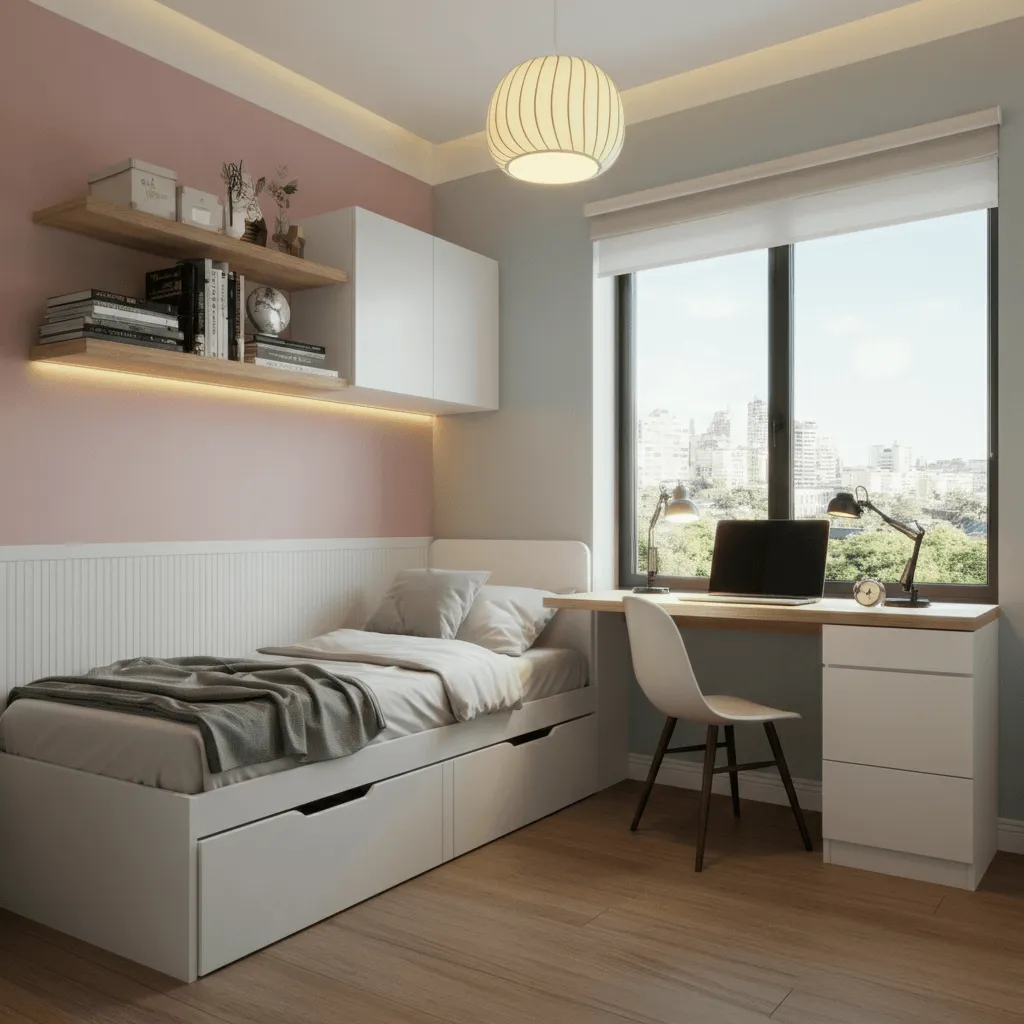
- Opt for beds with built-in drawers, which provide hidden storage for bedding and seasonal wear.
- Use vertical space by installing wall-mounted shelves or pegboards to keep essentials accessible while freeing up the floor.
- Replace traditional nightstands with small dressers to add functionality without losing style.
Mirrors and Visual Tricks
Mirrors aren’t just for reflection—they can amplify light and create the illusion of more space. Strategically place a full-length mirror or mirrored closet doors near a light source to brighten the room and make it feel larger.
Creating a Balanced and Functional Flow
Flow is a crucial but often overlooked aspect of smart bedroom design. A well-balanced room feels intuitive to walk through and eliminates barriers to functionality.

Plan Traffic Pathways
A cluttered bedroom disrupts the natural flow, which can result in a stressful environment. Define clear walkways so you can easily move around the room. Avoid placing furniture where it obstructs doors, windows, or access points to storage.
Align Design and Psychology
Believe it or not, the arrangement of furniture can subtly impact mood and sleep quality. Avoid placing your bed directly under a window, as this can disrupt your sense of security and affect rest. Instead, position the bed with its headboard against a solid wall, creating a feeling of stability.
Symmetry in the bedroom tends to promote relaxation. Consider pairing identical nightstands and lamps on either side of the bed for a grounded and harmonious design. Simultaneously, asymmetry in decorative accents, such as art or throw pillows, can inject personality without detracting from calmness.
Innovative Storage Ideas for Every Room Size
Maximizing storage shouldn’t come at the expense of style. With creative solutions, you can organize even the smallest bedroom effectively.

Under-Bed Storage
Under-bed storage is invaluable for saving space. Sliding bins or vacuum-sealed bags can hold out-of-season clothing or bedding. Many modern bed frames even come with built-in drawers, seamlessly combining function and style.
Overhead Storage and Bookshelves
If floor space is limited, look upward. Floating shelves above the bed or around door frames can provide storage while taking advantage of unused wall space. Just ensure shelves are sturdy and within safe reach.
Multi-Duty Furniture
Invest in versatile furniture that serves multiple purposes:
- A storage ottoman doubles as seating and an extra place for blankets.
- Foldable desks that can be tucked away when not in use.
- Murphy beds, which transform into shelving or seating during the day.
Decorating for Comfort and Personal Style
While furniture arrangement focuses on practicality, decoration ties the overall design together, making the space uniquely yours. From the color palette to finishing touches, style communicates personality.

Color and Texture
Subdued, neutral tones create a calming atmosphere ideal for rest, while pops of color can add energy and vibrancy. Bedding, curtains, and rugs introduce textures that soften the look and add an extra layer of coziness.
Lighting
Opt for layered lighting to meet different needs. Incorporate bedside lamps for reading, overhead fixtures for general illumination, and string lights or sconces for a touch of ambience.
Personalizing the Space
The most well-arranged bedroom feels incomplete without personal touches. Display meaningful art, curated photo frames, or favorite books to bring warmth and authenticity to the room.
Encouraging Balance and Experimentation
Arranging bedroom furniture is as much an art as a science. While certain principles, such as creating clear pathways and using a focal point, serve as a foundation, experimentation helps refine your design. Don’t hesitate to shift furniture or test alternative layouts as your needs evolve.
By prioritizing functionality, space efficiency, and personal expression, you can turn any bedroom into a haven of comfort and style. Your perfect bedroom is a reflection of your taste, lifestyle, and creativity—so have fun exploring its possibilities.