
How to Declutter Your Bedroom: Transform Your Space into a Relaxing Sanctuary

A clutter-free bedroom isn’t just about tidiness—it’s about creating an environment that promotes relaxation, focus, and well-being. Your bedroom should be your personal retreat, a place that feels calm and inviting at the end of each day. However, achieving this can feel overwhelming if clutter has taken over. This guide will show you how to declutter your bedroom effectively, focusing on insightful techniques to transform your space into a stress-free sanctuary.
By the end of this article, you’ll discover the benefits of decluttering, innovative storage solutions, and maintenance tips to make your clutter-free bedroom last. Get ready to turn chaos into calm.
Why a Clutter-Free Bedroom Matters
A cluttered room can impact more than just how it looks—it affects how you feel. Disorganization increases feelings of stress and disrupts your ability to relax. Spending time in a cluttered space can also drain your energy by constantly reminding you of unfinished tasks.
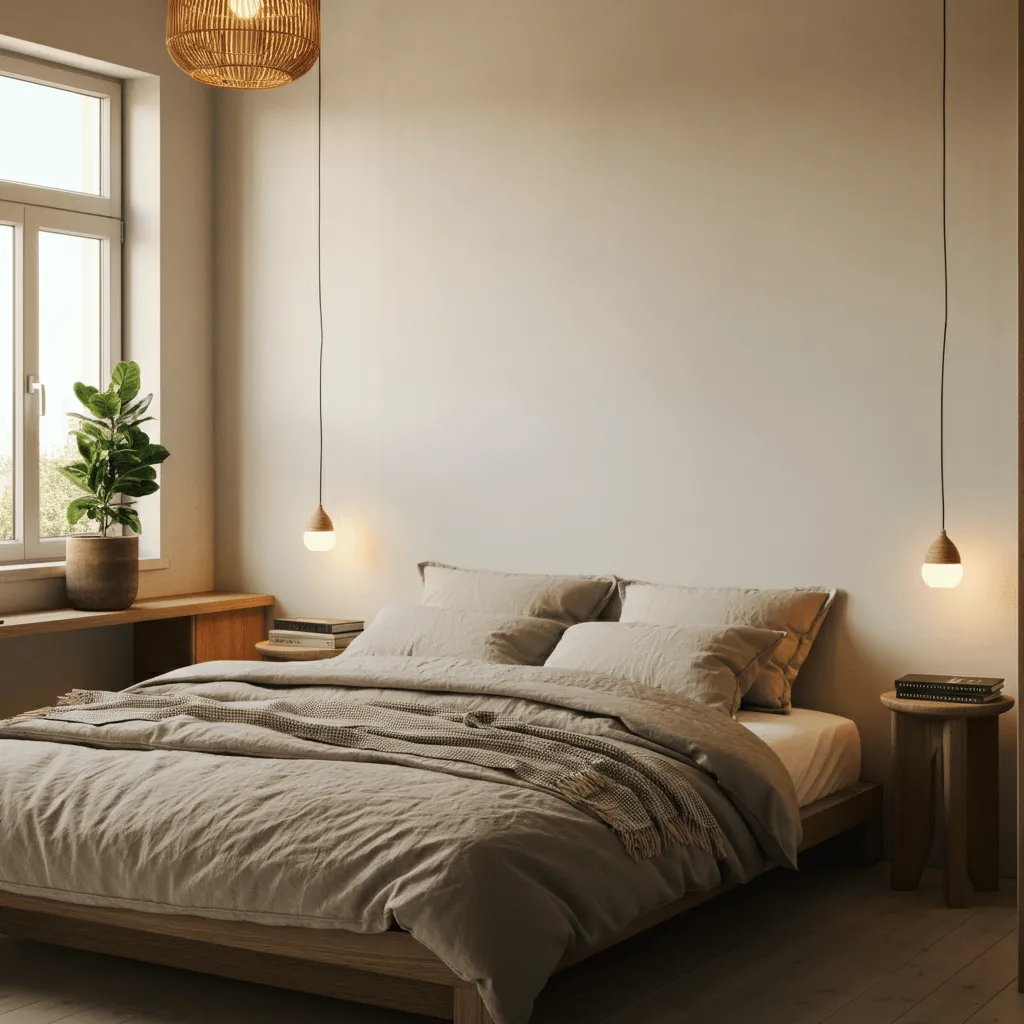
Psychologists have long documented the link between clutter and mental health. Studies show that clutter can lead to higher levels of the stress hormone cortisol, making it harder to feel calm or sleep well. On the other hand, a minimalist bedroom can promote tranquility, making it easier to unwind and recharge.
Decluttering your bedroom is more than a chore—it’s an act of self-care that allows you to reclaim both physical and mental space.
Step Into the Decluttering Mindset
Decluttering isn’t just about tossing items; it’s about making intentional decisions about what belongs in your space. Start by visualizing your ideal bedroom. Picture yourself waking up to a clean and orderly room where everything has its place.

Before beginning, ask yourself these questions:
- Do I use this item regularly?
- Does this item bring me joy?
- Is this item taking up unnecessary space?
These reflections will guide your decision-making process as you sort through each area of your room.
The Journey to a Stress-Free Bedroom
1. Decluttering with Purpose
To avoid becoming overwhelmed, take a systematic approach to decluttering. Break your bedroom into zones—such as your closet, nightstands, dresser, and under-bed storage—and tackle one area at a time.
Instead of rushing to discard possessions, sort them into four categories:
- Keep – Items that serve a purpose or bring joy.
- Store – Seasonal or rarely used items that can be moved elsewhere.
- Donate – Things you no longer need but can benefit others.
- Trash – Items that are damaged or unusable.
Starting with smaller areas, like your nightstand, builds momentum and prevents burnout.
2. Closet Transformation
Closets are often hot spots for clutter. A minimalist wardrobe can transform both the look of your space and how you feel about getting dressed. Here’s how to approach it:
- Sort clothes seasonally: Store out-of-season items in bins or vacuum-sealed bags to free up space.
- Adopt a capsule wardrobe: Focus on versatile staples and donate pieces that haven’t been worn in over a year.
- Organize by category: Hang similar items together (e.g., pants, shirts, dresses) for a neat, easy-to-navigate closet.
Adding slim hangers or vertical storage solutions will further optimize your closet’s capacity.
3. Rethink Under-Bed Storage
The space under your bed often becomes a “catch-all” area. Instead of letting chaos reign, use this space strategically. Consider investing in storage solutions like rolling bins or under-bed organizers with labeled compartments. Store only essentials, such as seasonal clothing or spare bedding, to prevent unnecessary clutter.
Keeping an inventory of what’s stored under your bed creates intentionality and helps to maintain order.
4. Surface Simplification
Flat surfaces like your dresser and nightstand are notorious for gathering clutter. Avoid piling on random items by clearing them off entirely and then thoughtfully placing back only minimal decor. For example:
- A lamp, an inspiring book, or a small plant can serve as decor without causing visual noise.
- Use trays to group smaller essentials, such as jewelry or a pair of glasses, for an organized aesthetic.
The goal is to make your room functional and visually calming.
Innovative Storage Solutions for a Minimalist Bedroom
Creating a clutter-free room isn’t just about removing items—it also involves finding a home for everything that remains.
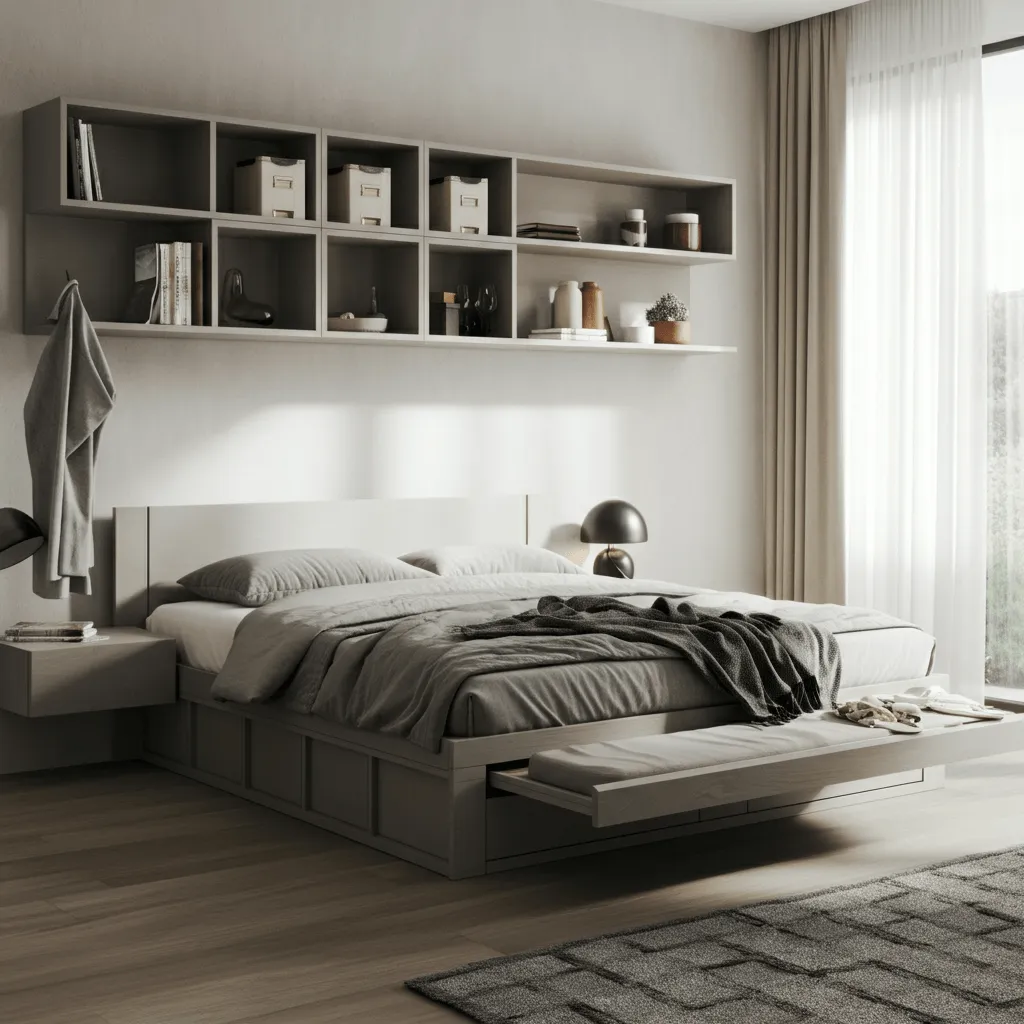
- Wall-Mounted Shelves: Add vertical storage without taking up floor space. Ideal for books or decorative items.
- Multi-Functional Furniture: Opt for pieces like a bed frame with built-in drawers or a bench with hidden storage.
- Drawer Dividers: These prevent overstuffed drawers by compartmentalizing smaller items, making them easier to find.
The key is to merge storage with aesthetics, so your space remains functional without sacrificing style.
The Psychological Benefits of Decluttering
Transforming your bedroom into a clutter-free space can yield emotional and psychological benefits. A minimalist environment promotes relaxation and better sleep by reducing overstimulation. It also fosters a sense of control and accomplishment, leaving you feeling empowered.
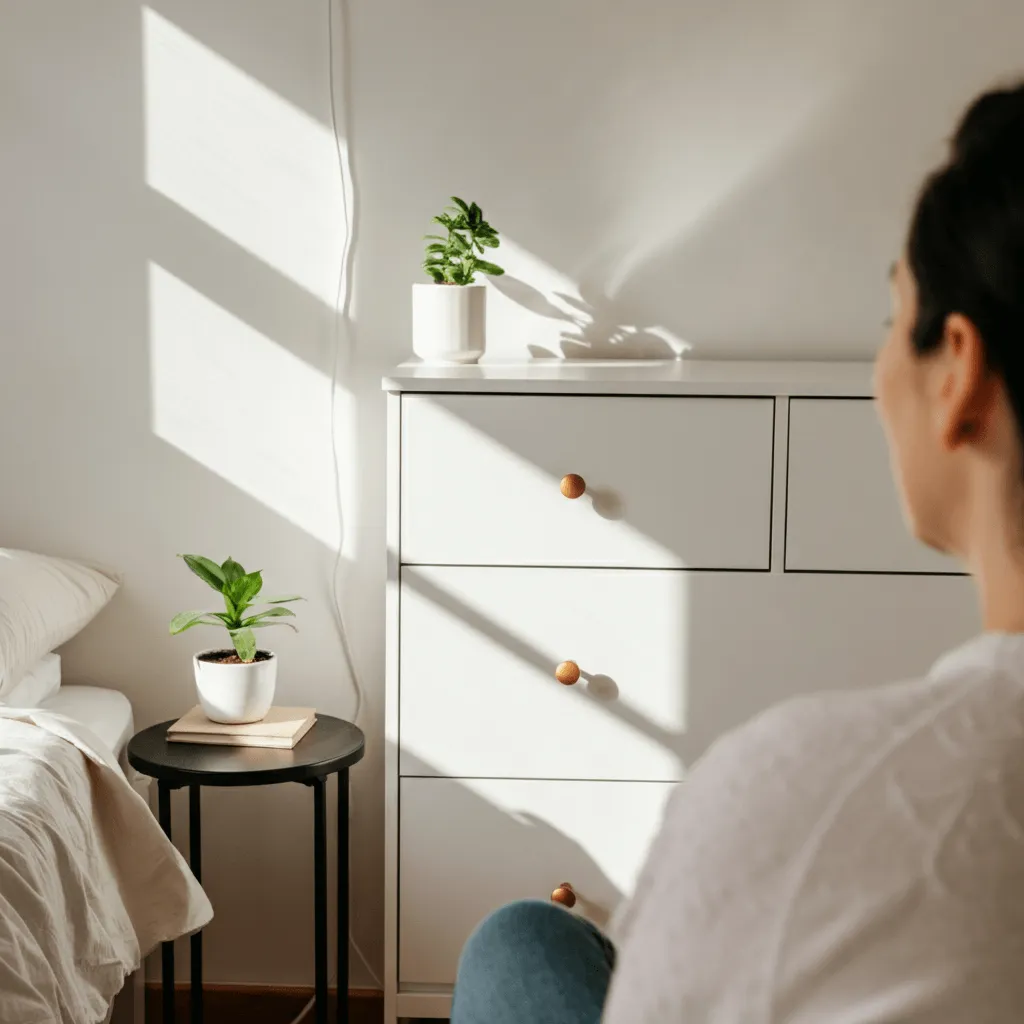
Additionally, a well-organized bedroom can:
- Enhance productivity by removing distractions.
- Promote mindfulness by encouraging you to be intentional with your possessions.
- Improve focus, as a tidy environment is less likely to overwhelm the mind.
These benefits extend beyond your bedroom, helping to create positive habits that influence other areas of your life.
Maintenance Is Key
Decluttering is not a one-time activity—it’s a lifestyle. To maintain your bedroom sanctuary, establish daily and weekly habits. For example:

- Make your bed every morning. It sets the tone for the day and instantly makes your space feel tidy.
- Spend five minutes each night resetting your room, such as putting away clothes or clearing surfaces.
- Reassess your belongings seasonally. This ensures you stay on top of accumulating clutter.
By developing these habits, your bedroom will remain a stress-free retreat instead of reverting to a chaotic space.
Make It Your Own
There’s no one-size-fits-all formula for creating a serene bedroom. Tailor your efforts to suit your lifestyle, preferences, and space. While some may prefer clear surfaces with minimal decor, others find comfort in curated collections. The goal is to design a room that fits your definition of a peaceful sanctuary.

Experiment with different layouts, storage methods, and decor styles until you find what works best for you. The process of decluttering doesn’t just improve your space—it allows you to define your personal sanctuary.
Room to Breathe, Space to Sleep
Your bedroom is more than just a place to sleep—it’s a reflection of your mindset. By decluttering and organizing your space, you can create an environment that nurtures relaxation and supports your well-being.
Now that you have the tools and insights, it’s time to take the first step. Clear out what no longer serves you, and enjoy the benefits of a clutter-free, minimalist bedroom.
Remember, your bedroom should be your haven—a place to rejuvenate and recharge. Start today and reclaim your space for what it truly should be: a relaxing sanctuary.