
How to Decorate a 1-Bedroom Apartment: Transform Your Space with Style

Decorating a 1-bedroom apartment may seem like a challenge, but it’s an exciting opportunity to create a haven that reflects your personality and maximizes every square foot. When space is limited, planning is essential—and a thoughtful approach can turn a modest apartment into a stylish and functional home. Whether you’re starting from scratch or rethinking your current decor, this guide provides innovative, practical ideas to help you design a beautiful and efficient space.
Setting the Foundation for Exceptional Design
The first step in learning how to decorate a 1-bedroom apartment is assessing your space. Think about the layout, natural light, and potential for multifunctionality. This process will help you identify what your apartment truly needs versus elements that might clutter or weigh it down.

Begin by choosing a unifying color palette. Neutral tones like soft whites, grays, or beiges can create an open and cohesive look. This doesn’t mean avoiding bold or dark shades but use them sparingly as accents. Painting one wall a rich tone or introducing colorful decor items can add character without overwhelming the room.
Another important foundation is flooring. A single area rug can anchor a living room, while layering smaller rugs adds texture and defines spaces. Opt for rugs with light hues to enhance the sense of spaciousness commonly desired in smaller apartments.
Furniture Choices That Maximize Space and Function
When designing a smaller apartment, your furniture plays a dual role—style and functionality. Incorporate space-saving furniture that adds value without overwhelming the area.

1. Multifunctional Furniture
Investing in multifunctional furniture is a game-changer for small apartment design. A classic example is a sleeper sofa, which transitions seamlessly from daytime lounging to nighttime use. Look for coffee tables with hidden storage compartments or extendable dining tables that adapt as needed.
Another underrated piece is the storage ottoman. It can be used as a seat, a coffee table, or a place to stow blankets. Modular sectionals are ideal, allowing you to reconfigure your seating arrangement as needed.
2. Vertical Storage Solutions
Wall-mounted shelves offer more than space to display art; they’re perfect for storing books, plants, or decorative baskets. Tall bookcases and cabinets use vertical space efficiently, allowing you to maximize storage while keeping the floor clear.
For kitchens and bathrooms, consider floating shelves. They provide functional storage without crowding already limited cabinetry. Pegboards are another creative addition, transforming walls into adaptable storage spaces for everything from utensils to tools.
3. Scale and Proportion
One common mistake is choosing furniture that’s either too large or too small. Scale your pieces thoughtfully—visually, they should strike a balance with your room’s proportions. For example, instead of a bulky sofa, choose a loveseat or a slim-profile sectional. Opt for round tables, which can fit smaller areas more easily while encouraging better flow.
Creating Functional Zones in Open Spaces
To achieve organization and flow in a 1-bedroom apartment, creating intentional zones is key. Without dividing walls, open-plan designs can feel scattered. Instead, use furniture placement, area rugs, or curtains to define spaces effectively.
Living and Dining Separation
Place an open-back bookshelf between the living and dining areas to act as both a room divider and a functional storage unit. Alternatively, position a rug in the living area to visually anchor seating while using a smaller rug under the dining table to delineate the eating zone. This invisible boundary keeps the space cohesive yet structured.
Adding Privacy to Sleeping Areas
You don’t need walls to create privacy in the bedroom. Use a folding screen or ceiling-mounted curtain to partition the bed from the rest of the apartment. Another option is a low console table at the foot of the bed to provide storage and create separation without making the room feel cramped.
Lighting as an Essential Design Element
Lighting has a transformational effect on small spaces. Apartments with limited natural light, in particular, benefit from strategic lighting solutions.
- Natural Light Maximization: Avoid heavy window treatments that block sunlight. Use sheer curtains or blinds to control privacy without sacrificing brightness. Mirrors placed opposite windows amplify light while making the room appear more spacious.
- Layered Artificial Lighting: Incorporate layered lighting—overhead fixtures for general illumination, table lamps for task lighting, and LED strips for accent lighting. Wall sconces and pendant lights save floor space and lend a modern, airy aesthetic.
Infusing Style with Accessories and Decor
Accessories play a major role in how your 1-bedroom apartment feels—cozy, inviting, or dynamic. Use them to introduce personality and style, adding visual points of interest without overwhelming the room.
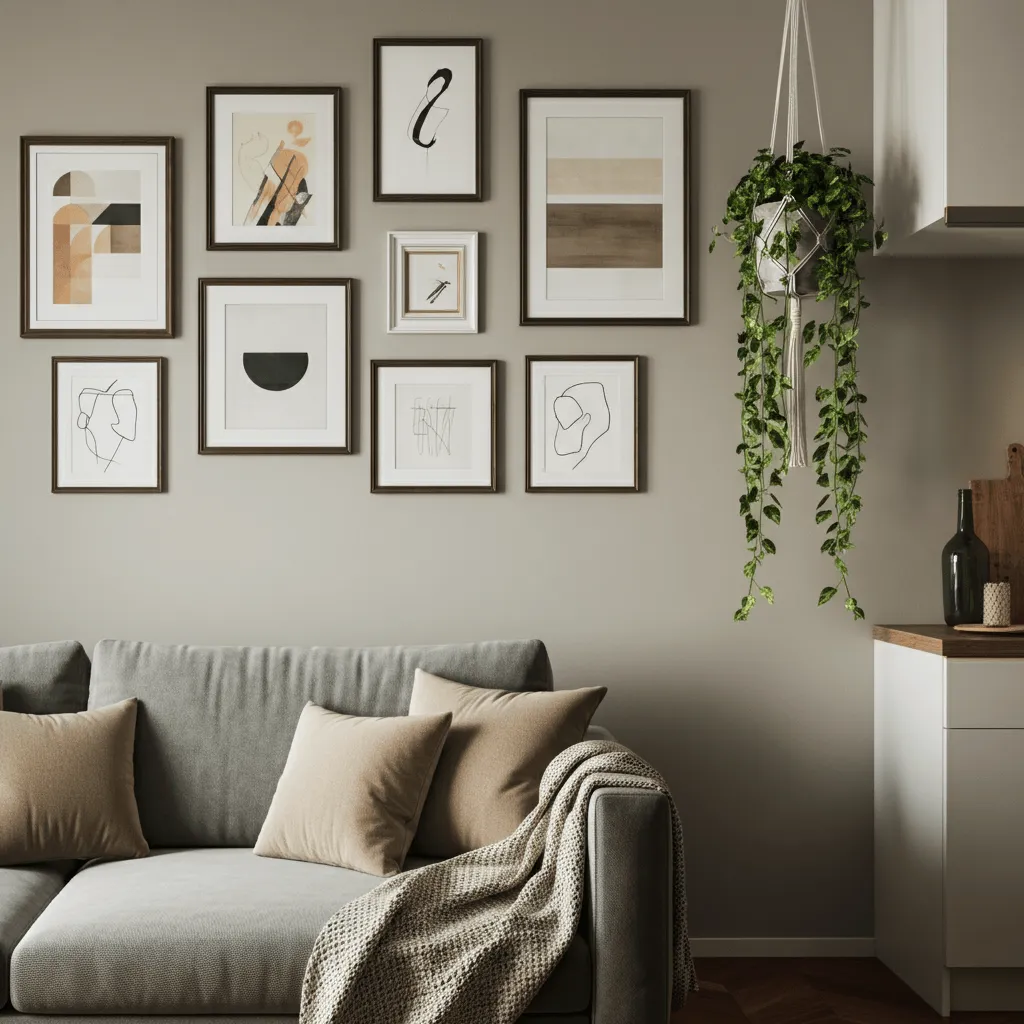
Artwork and Wall Decor
Large-scale artwork can make a small room feel more expansive by drawing the eyes upward. Alternatively, a gallery wall composed of smaller frames creates texture and individuality. To avoid cluttered visuals, ensure frames are similar in tone or style.
Greenery and Plants
Strategically positioned greenery boosts air quality and livens up small spaces. Hanging plants, such as pothos or spider plants, elevate the space without taking up precious floor room. Use sleek pots or planters in neutral tones for a minimalist, cohesive look.
Throw Pillows and Textiles
Layering cozy textiles, such as throw blankets and pillows, adds comfort while complementing your color palette. Opt for fabrics with interesting textures—think knitted wool, linen, or velvet—to enhance depth.
Optimizing Small Storage Spaces
Another key factor in how to decorate a 1-bedroom apartment is crafting practical storage solutions that keep essentials accessible yet hidden.

Entryway Considerations
An organized entryway keeps outdoor clutter, like coats, bags, and shoes, from spilling into the living area. Use narrow shelving units or wall hooks for compact storage. Add a small entry mirror, which doubles as a decorative and functional design piece.
Kitchen Storage Tips
Reduce countertop clutter with magnetic knife strips or under-cabinet hooks for mugs. Incorporate stackable racks for cabinetry, expanding vertical storage. If the kitchen includes an island or bar, stools that tuck underneath maintain sleek lines.
Bedroom Innovation
For bedrooms with limited closet space, consider under-bed storage. Sliding bins or vacuum-sealed bags make excellent organizers for seasonal clothing. If your bed frame allows, opt for one with built-in drawers. Wall-mounted hooks or rails above the headboard can hold accessories like hats or scarves.
Combining Functionality and Comfort
A 1-bedroom apartment that feels like home balances efficiency with coziness. Your primary goal should be to create multifunctional but harmonious spaces. Play with texture, lighting, and accessories to add warmth and dimension. Smart furniture, thoughtful layouts, and an understated neutral base allow you to adapt your home’s design over time.

Encourage Exploration and Experimentation
Decorating a compact space doesn’t have to limit creativity—it’s a framework for innovation. By experimenting with light, vertical spaces, and distinct zones, you’ll discover new ways to achieve both practicality and style.
Ultimately, the beauty of decorating a 1-bedroom apartment lies in its flexibility. Every design decision is an opportunity to reflect who you are and how you live. Whether you’re rearranging furniture or introducing a bold accent, take time to explore what works best for your needs.