
What Furniture Should Be in a Bedroom

Creating a perfect bedroom isn’t just about aesthetics—it’s about designing a comfortable and functional space that promotes rest and relaxation. Whether you’re curating your dream personal sanctuary or optimizing a guest room, choosing the right furniture is critical to achieving the perfect balance of comfort, functionality, and style. But what furniture should be in a bedroom to create this ideal atmosphere? Let’s break down the essentials and explore some modern approaches that might transform the way you think about bedroom furniture.
The Foundation of Your Bedroom: The Bedframe and Mattress
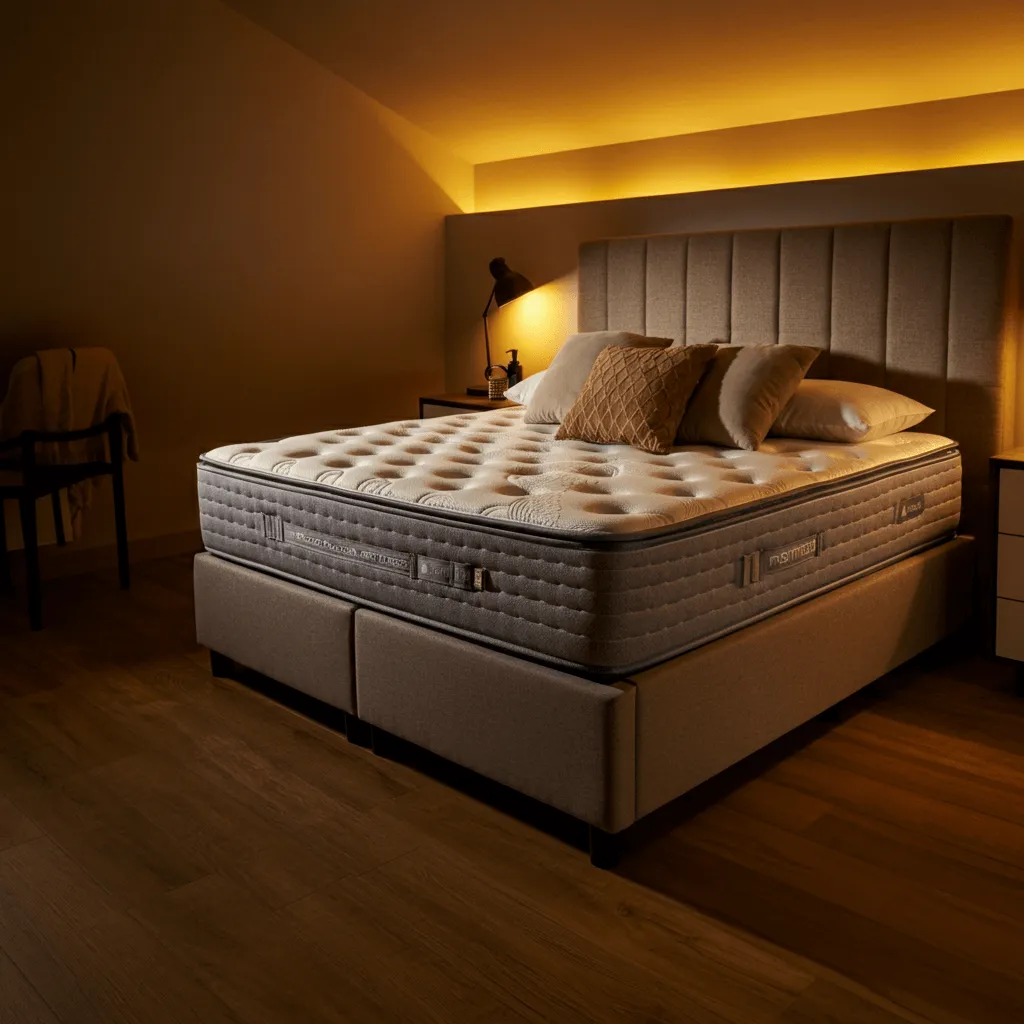
The bed is the irrefutable centerpiece of any bedroom. It serves as both a functional and design anchor, largely dictating the room’s style and purpose. When selecting a bed and mattress, you must factor in size, design durability, and your personal sleeping habits.
Choosing the Right Bedframe
Your bedframe determines the durability and style of your sleeping space. From platform beds to elegant upholstered frames, the options are vast. For smaller bedrooms, a storage bed can cleverly combine form and function, providing a seamless way to tuck away linens or out-of-season clothes. On the other hand, sleigh beds or canopy beds can add an air of grandeur to spacious master bedrooms. Look for materials like solid wood or reinforced metal to ensure long-term durability.
Selecting the Perfect Mattress
No discussion about bedroom furniture would be complete without considering the mattress. Beyond its obvious utility, the mattress has the largest impact on sleep quality. Consider memory foam or hybrid mattresses for superior support, or opt for latex options if eco-friendliness tops your priority list. Medium-firm models are particularly versatile, suiting most sleeping styles.
Essential Furniture Additions to a Bedroom
Now that we’ve tackled the bed, which additional furniture pieces should take priority in a bedroom? Here’s where both functionality and layout come into play. Each item should not only serve a specific purpose but also align with your spatial constraints and design preferences.

Nightstands
Every bed needs a trusty sidekick, and that role is perfectly filled by a nightstand. Nightstands provide easy access to essentials like a bedside lamp, alarm clock, or a glass of water. For added privacy and organization, consider options with drawers or hidden compartments. Floating nightstands are an innovative choice for ultra-modern spaces, creating a sleek, clutter-free look.
Dressers
A good dresser is an absolute necessity, not just for storage but as a method of further anchoring the room. Six-drawer horizontal dressers are a versatile option for most rooms, while tall vertical chests are better suited for compact spaces. Opt for designs with contemporary flat-front aesthetics or go traditional with ornate handles and wooden accents. Keep in mind that a dresser can often double as a display area for cherished decor like framed photos, vases, or art.
Functional Yet Stylish Additions
Beyond the essentials, well-curated secondary furniture pieces can enhance your bedroom’s overall usability and charm.

Accent Chairs
A well-placed accent chair turns any corner into a cozy reading nook, perfect for unwinding before bed. Tufted armchairs, slipper chairs, or even a compact loveseat can define this space while complementing your room’s overall design. If space is limited, consider foldable or armless chairs that don’t crowd the layout.
Bedroom Benches
Positioned at the foot of the bed, benches elevate the visual appeal of your bedroom while adding remarkable functionality. Upholstered benches can double as additional seating and storage, making them a versatile addition. If you prefer a minimalist vibe, a solid wood bench does the trick without overwhelming the decor.
Mirrors
Mirrors are often overlooked as furniture but are secretly one of the most impactful elements in a bedroom. A full-length standing mirror not only serves practical needs but also creates the illusion of a larger, more open space. Wall-mounted mirrors or mirrored dressers are another brilliant way to introduce functionality and elegance.
Creating Comfort Through Smart Additions
Beyond the obvious furniture pieces, a well-thought-out bedroom also incorporates elements that enhance comfort and organization.

Desks or Vanities
While not a strict necessity, desks or vanities can elevate your bedroom décor while serving practical needs like home working or getting ready for the day. Compact designs with integrated storage allow you to maximize utility without taking up too much space.
Storage Solutions
Clutter kills relaxation, so smart storage solutions are vital. This includes traditional options like armoires or wardrobes and modern storage beds or under-bed storage boxes. Organized closets with custom shelving can also eliminate the need for excess furniture, keeping your room streamlined and orderly.
Rugs and Soft Furnishings
Furniture and soft textures go hand in hand. A well-placed area rug anchors the entire room and softens the vibe, while bed throws, cushions, and poufs add elements of comfort and refinement. Choose complementary textiles that align with your design theme for a cohesive appearance.
Design Tips for Harmonizing Bedroom Furniture
While knowing what furniture should be in a bedroom is essential, proper placement and perceived cohesion are equally important. Follow these simple tips to elevate your furniture arrangement:

- Balance functionality and open space: Avoid overcrowding by opting for multi-functional furniture, such as a storage bench or a floating shelf that doubles as a nightstand.
- Create zones within your room: Clearly define areas like sleeping, sitting, and dressing using rugs and accent furniture.
- Play with proportions: Scale is crucial. A king-sized bed in a small bedroom will overwhelm the space, just as tiny furniture will look lost in a large room.
- Layer lighting intelligently: Integrate overhead lighting with task and ambient options like bedside lamps, sconces, or LED strips.
- Stick to a color palette: Coordinating furniture finishes and textiles ensures a design synergy that feels pleasing and tranquil.
Common Mistakes to Avoid When Selecting Bedroom Furniture
Even with the right intentions, certain mistakes can undermine the functionality and atmosphere of the room. Avoid these pitfalls:

- Skipping measurements: Always measure your room and the furniture before purchasing to prevent overcrowding or awkward placements.
- Overlooking flexibility: Opt for pieces that can adapt to changes, like modular dressers or tables with adjustable height settings.
- Disregarding comfort: Prioritize ergonomic designs and high-quality materials, especially for seating and mattresses, where comfort is key.
Final Thoughts
A carefully designed bedroom reflects both functionality and personal style, ensuring that the space feels welcoming every time you step in. From the sturdy bedframe to the nightstands that hold your nighttime essentials, every piece of furniture plays a meaningful role in creating your ultimate haven.
When planning what furniture should be in a bedroom, focus on the essentials first, integrating well-crafted additions that cater to your unique needs and preferences. With thoughtful choices and creative placement, you’ll transform your bedroom into a serene escape that truly feels like home.
Now that you know what makes a bedroom functional and stylish, it’s time to explore and experiment with various arrangements. From timeless classics to bold modern designs, mix and match until you find the perfect combination that speaks to you.